"If you’ve spent a lifetime believing you’re not enough, saying “I am worthy” a few times in the mirror won’t magically change that… You have to go deeper."
-
![]()
Dream it.
-
![]()
Build it.
-
![]()
Grow it.
-
![]()
Sell it.
-
![]()
Say it.
-
![]()
Teach it.


When someone survives cancer, divorce, addiction, injury, betrayal, or burnout… the question becomes: “Who am I now?”
Most conversations around trauma focus on symptoms: PTSD, anxiety, depression, coping strategies. Those are important. But what I see in my clinical work and in my own life is that the deepest wound trauma creates isn’t always fear. It’s identity loss.
Signature Frameworks
Framework 1: The Lifespan Identity Threshold Model
The core claim: We don't experience one identity crisis in a life. We cross five predictable identity thresholds across the lifespan. What people call a "midlife crisis" is usually one of these thresholds, misread as something going wrong.
The reframe that runs through all of it: Destabilization isn't dysfunction, it's evolution. The moment people think their life is falling apart is often the moment their next identity is trying to emerge.
The five thresholds
The Identity Awakening (around age 12). When we first become conscious of ourselves as individuals, separate from our family and surroundings.
The Threshold of Becoming (around age 18). When external structure disappears and we have to begin authoring our own lives.
The Silent Collapse (around 35 to 40). When the identity we built no longer fits the life we're actually living. This is the one the culture mislabels as a "midlife crisis."
The Relevance Reckoning (around age 65). When productivity fades and we ask, "Do I still matter?"
The Mortality Mirror (around age 85). When we look back and ask whether our life truly meant something.
Framework 2: The Three Recovery Identities
The core claim: Resolving trauma is only half the work. The other half is who you become afterward. Once the pain resolves, every survivor lands in one of three recovery identities. None is wrong, but most people fall into one by default rather than choosing it consciously, and that default is often where they stay stuck.
The three identities
Recovery Positive. The recovered self becomes the identity. The story of what they overcame is central to who they are and how they show up in the world.
Recovery Neutral. They will tell their story, but only when it's relevant or useful to someone else. It informs them without defining them.
Recovery Negative. They never talk about it. You would never know they went through something horrible, because they keep it entirely private.
How the two frameworks connect
The Lifespan Identity Threshold Model explains when and why identity collapses across a life. The Three Recovery Identities explain who you become once you've moved through a collapse. Together they form a complete arc: the threshold destabilizes you, the reconstruction rebuilds you, and the recovery identity is the self you consciously choose to carry forward.
Keynotes & Workshops
-
Much of trauma recovery focuses on the event, what happened, how it impacted the nervous system, and how it disrupted safety. But I’ve found that after the trauma is processed, many clients are left with a deeper, more haunting question: Who am I now? That’s where the real work begins.
Through years of clinical experience, research on complex PTSD, and the lens of attachment theory, I’ve seen how trauma fuses with a person’s sense of self, distorting their identity, self-worth, and ability to move forward. Whether someone defines themselves by what they’ve survived or carries quiet shame from what they’ve endured, both narratives leave them stuck in the past.
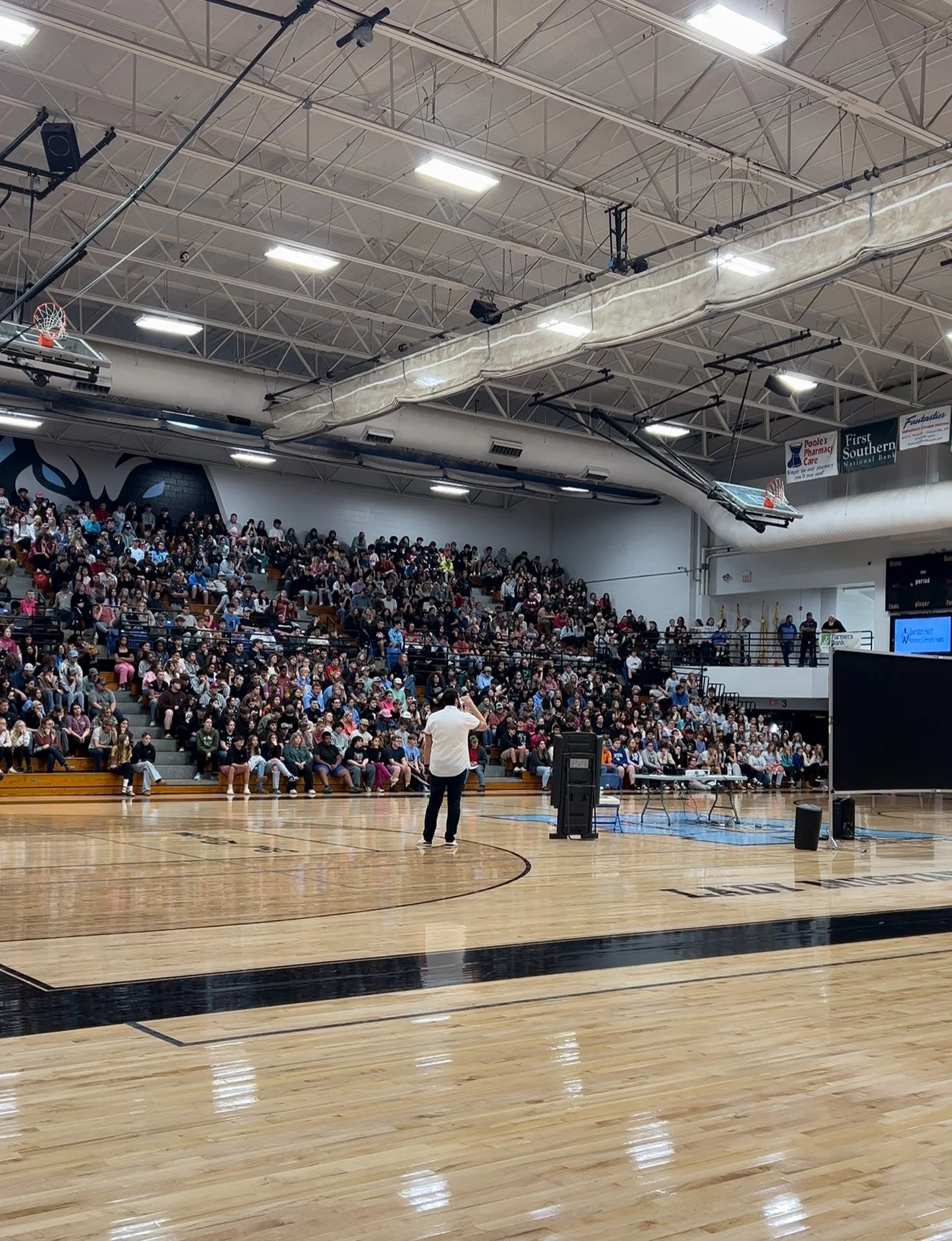
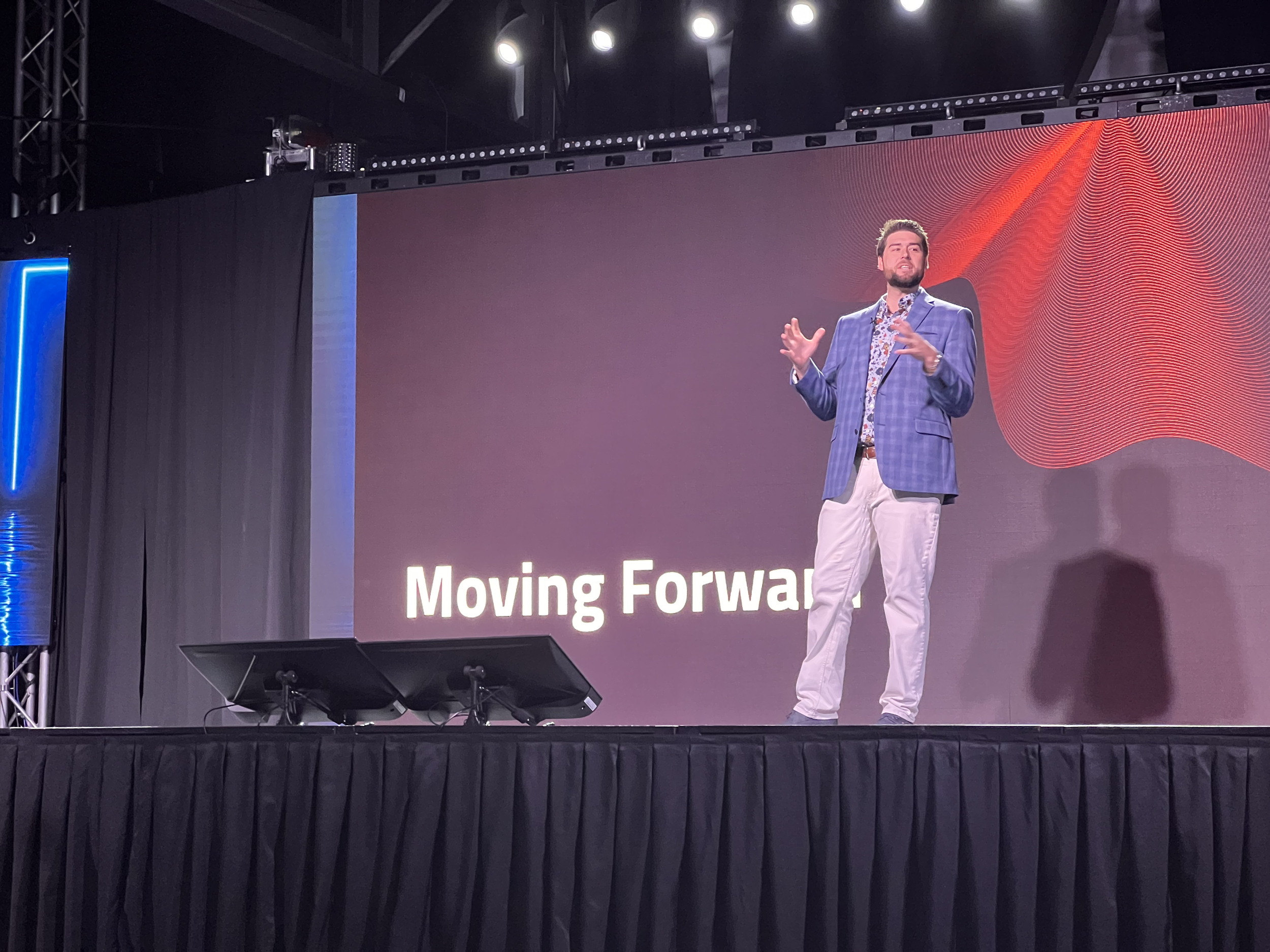
In this keynote, I share my approach to helping clients separate from their trauma story and rebuild a strong, secure identity.
-
Today’s generation no longer fits the mold of traditional success. But if we redefine the path, we can help them build lives with meaning, not just milestones.
We’re raising a generation that no longer fits into the framework of traditional identity development, and it’s showing. For generations, identity was shaped through predictable life milestones: marriage, career stability, home ownership, spiritual community, and a sense of social belonging. These touchpoints offered structure, meaning, and a clear sense of self. But today, those milestones are delayed, disrupted, or discarded entirely.
As a result, young people are struggling, not because they’re broken, but because the blueprint they were given no longer matches the world they’re living in.
In my doctoral research and work as a trauma therapist, I’ve identified four key dimensions of identity:
External Identity – how others define you
Sense of Self – how you define yourself
Existential Self – the belief that your life has meaning
Self Esteem – how you feel about who you are
Each of these areas is under threat. Social media has distorted self perception. The erosion of spiritual and community anchors has led to a crisis of meaning. And without stable milestones, many are left asking, Who am I? What am I worth? Why does my life matter?
If we want to raise a generation capable of true success, not just achievement but purpose and self respect, we must rethink how identity is formed. It’s time to stop pathologizing young people and start rewriting the framework we expect them to grow inside of.
-
Trauma isn’t just something that happened, it’s something people carry. And if left unhealed, it echoes through every part of life: relationships, careers, parenting, and self-worth. In this impactful keynote, I take audiences beyond the textbook definition of trauma and into the real-life experience of it how it lingers, how it distorts identity, and how it silently drives behavior long after the original event.
Drawing from clinical experience, personal insight, and years of working with trauma survivors, I break down how trauma embeds itself in the nervous system and the sense of self. But more importantly, I share a roadmap to healing. This keynote is both eye-opening and hope-filled. Whether you're a professional, a parent, a survivor, or a leader, you’ll walk away with powerful tools to understand trauma, help others through it, and maybe even begin your own journey toward wholeness.
-
Learning Outcomes:
Understand the root causes of emotional disconnection and burnout in high-functioning professionals
Learn how to evaluate your current levels of fulfillment, alignment, and connection
Discover the 5 connection points every person must assess: Self, Work, Relationships, Community, and Purpose
Gain a framework to realign daily actions with core values and long-term fulfillment
Leave with actionable strategies to restore meaning and energy in both personal and professional life
What the Audience will Leave With:
A renewed sense of purpose and clarity
A practical roadmap to reconnect with the most meaningful areas of life
Strategies for creating alignment between work and personal values
Insight into how fulfillment and performance are interconnected
-
~The silent accumulation of trauma and stress in first responders
~How long-term exposure impacts the nervous system, relationships, and performance
~Why typical coping tools may fall short, and what actually helps
~Trauma-informed strategies to regulate the nervous system, reduce emotional reactivity, and promote resilience
~A compassionate approach to ending the stigma of emotional struggle within the first responder culture
My approach blends clinical expertise with practical tools that are immediately applicable and deeply validating for those in high-stress roles.
At just sixteen years old, I was a rising star athlete with college scholarships in hand and a future full of promise ahead. Then, in an instant, everything changed. A devastating accident left me paralyzed from the waist down, shattering not only my body but the identity and future I had worked so hard to build.
The physical recovery was grueling , eighteen months of pushing through pain just to walk again. But the harder battle came afterward: the silent fight to rebuild a sense of purpose, to rediscover who I was, and to face the deep ache of feeling broken beyond repair.
That journey changed everything for me. Over the next decade, I dedicated myself to understanding what allows people not only to survive life’s hardships but to grow from them. I became fascinated by resilience, identity, and the psychology of transformation. I earned a Master’s Degree in Counseling Psychology with an emphasis in addiction from the University of Denver, became a Licensed Clinical Mental Health Counselor, and went on to achieve advanced certifications in trauma therapy and EMDR.
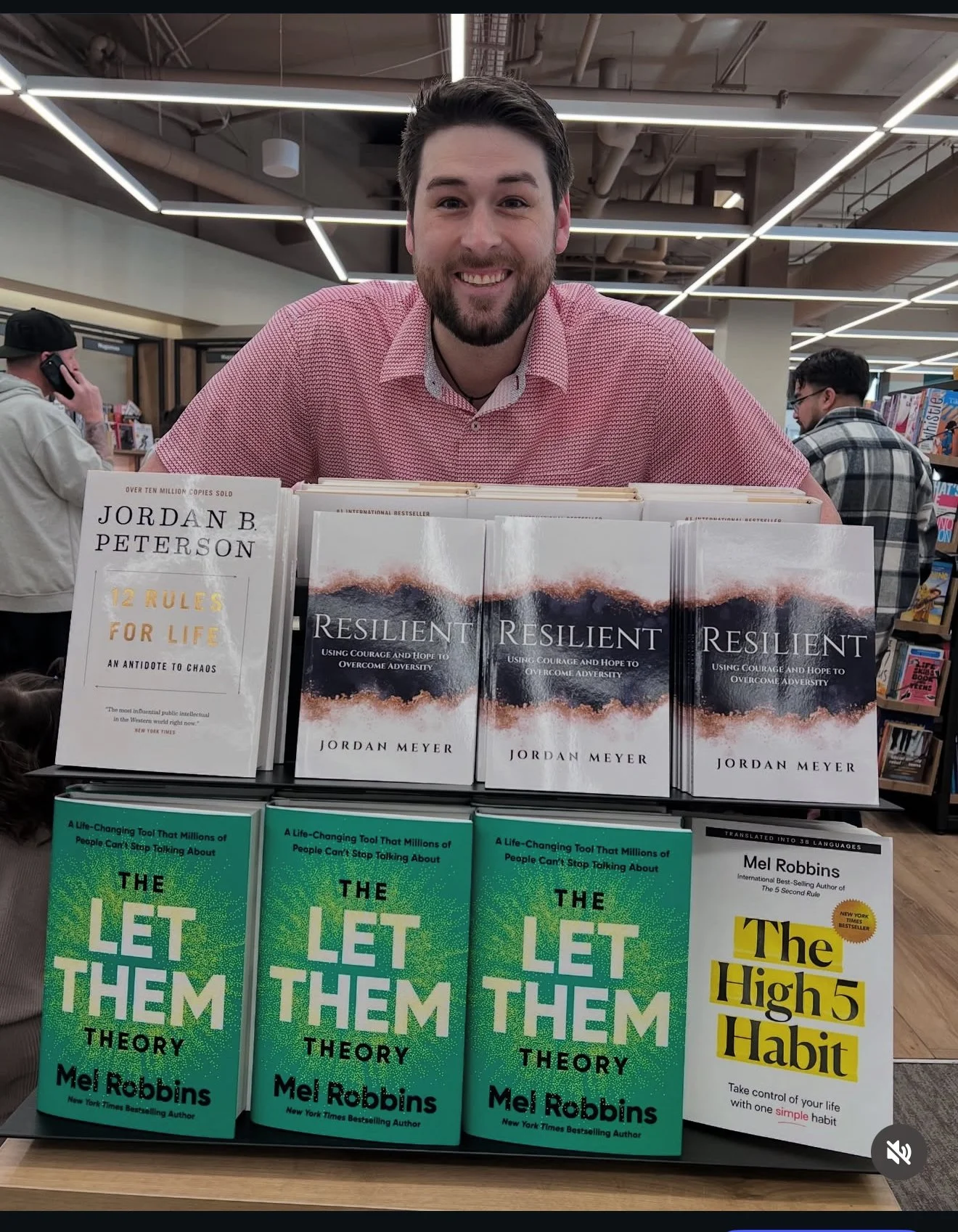
Today, I am a Ph.D. candidate in Performance Psychology, an author, and a national speaker on trauma recovery, identity, and human potential. My book, Resilient: Using Courage and Hope to Overcome Adversity, shares the same message I live and teach every day that healing and fulfillment are possible for anyone who is willing to do the inner work.
Whether I’m working with high-performing executives facing burnout or individuals healing from complex trauma, my goal is the same: to help people rebuild identity, restore purpose, and reclaim the sense of wholeness that trauma once took away.
Jordan’s philosophy is simple but radical:
“Healing from trauma doesn’t have to be a lifelong battle.”
He believes that everyone deserves three things: [to be loved, to belong, and to feel wanted and accepted ] and that trauma should never take that away. His mission is to help people reclaim those truths and rebuild lives filled with freedom, purpose, and joy.

Workshops and Events
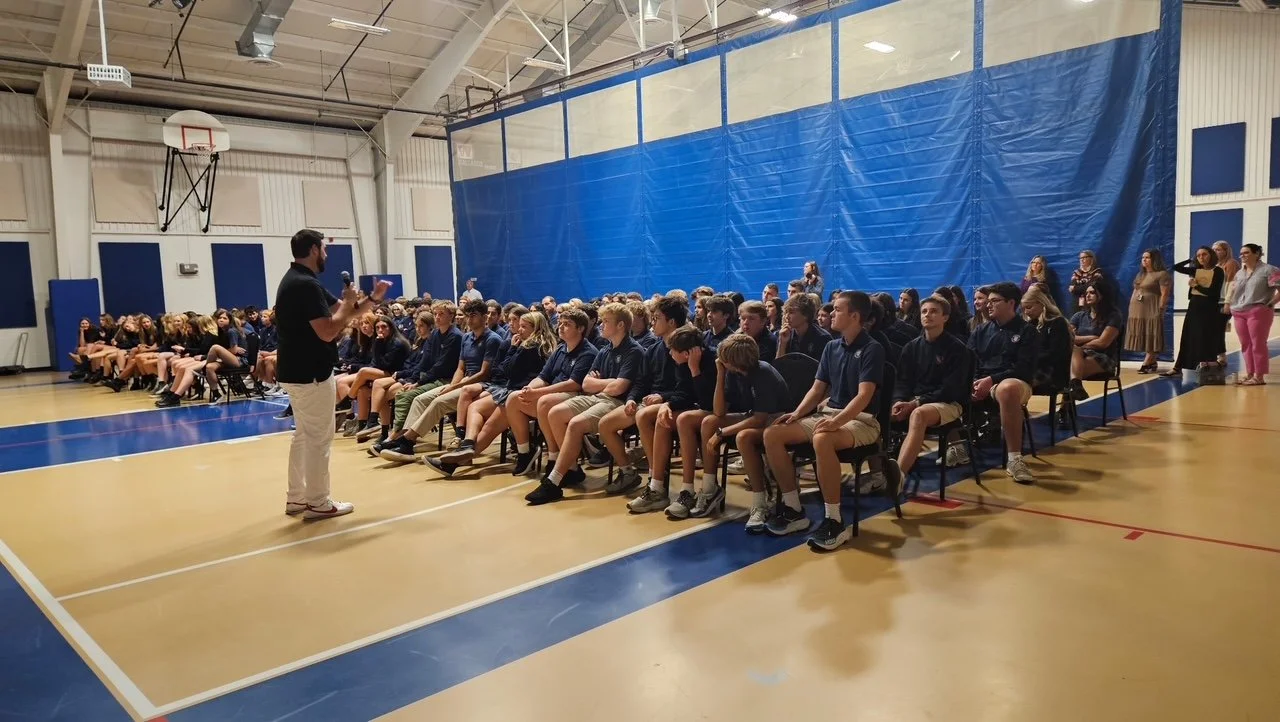
Jordan also offers full-day and multi-day workshops for schools, universities, treatment centers, and conferences. Workshops include interactive activities and neuroscience-based strategies for personal growth and emotional wellness.
Ideal For:
Schools & Universities
Professional Conferences
Faith & Community Events
Leadership Summits
👉 Book Jordan for your next event. Inspire your audience to move from survival to purpose.
Testimonials
-
Jordan slays! It was inspiring, informative, and emotional. He was able to convey hard topics so we all could relate to it. I will absolutely bring him back!
Stacey James- Owner of Stacey James Institute

-
"Jordan was absolutely incredible. He spoke with such clarity and depth on topics people have silently struggled with for years in their marriages. For the first time, I felt seen, understood, and equipped with real tools to grow. I can't recommend him highly enough!"
Ben Driggs- CEO Navigate Financial

-
Jordan has a way of bringing in the audience. it is hard to put into words how a 60 min presentation can change my life so much!
Doug Hansen- Partner, Tanner LLC

-
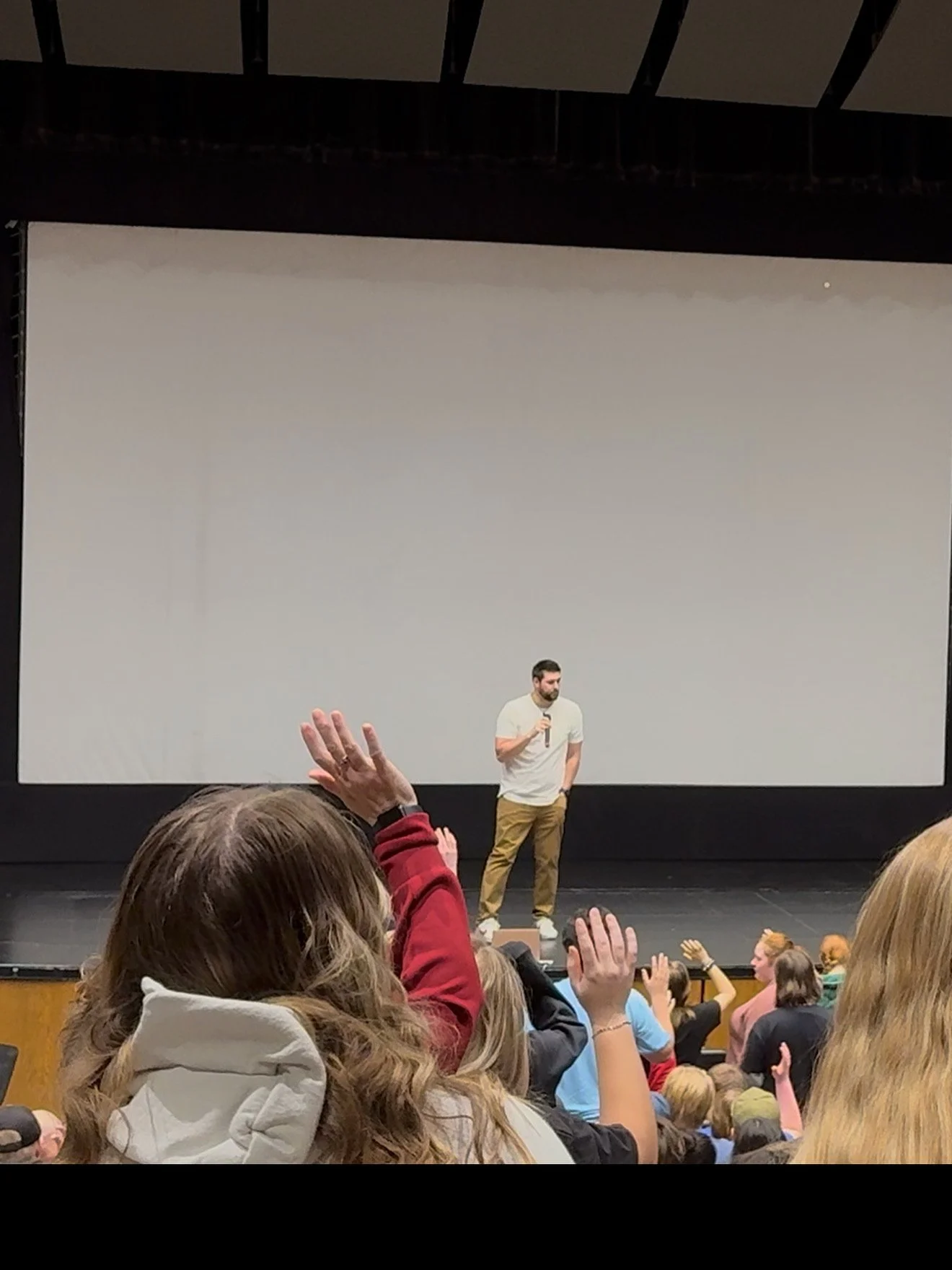
This is the most valuable school assembly and leadership summit your students will experience all year!
MCSAP Youth Coalition
-
I never imagined that Jordan's message would be so powerful. All I have to say is, ‘WOW!’
Worcester Preparatory School