Healing Is Not Just Recovery. It Is Rebuilding Who You Become Next.

About Jordan
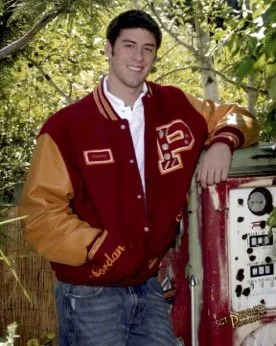
When I was 16 years old, my life looked perfect. I was a four sport varsity athlete, people knew my name when I walked through the halls at school, and coaches talked about scholarships and a promising future. From the outside, it looked like I was living the dream life that most teenagers wanted. And honestly, part of me believed that too.
But beneath all of it was something I didn’t know how to explain yet. There was this constant pressure to perform. A feeling that no matter how much I accomplished, it still somehow wasn’t enough. I became addicted to achievement because achievement temporarily silenced the fear that if I stopped performing, maybe I would stop mattering. People knew the athlete. They knew the accomplishments. They knew the image. But very few people actually knew me, and the truth was, I didn’t fully know myself either.
Then everything changed.
During a accident with a trailer, I suffered a spinal injury that doctors believed could leave me unable to walk again. Overnight, the identity I had spent my entire life building disappeared. The future everyone had talked about suddenly became uncertain, and what followed was not just physical rehabilitation. It was an identity collapse.
I spent the next year and a half fighting to regain my ability to walk. Procedures, rehabilitation, endless appointments, and pain that consumed nearly every part of my life. At one point, doctors inserted needles into my spine and used electrical stimulation to try to wake my nerves back up. Eventually, the nerves began regenerating, but what nobody tells you is how painful nerve regeneration can be. For nearly a year, it felt like the sensation of your foot falling asleep except it stretched from my waist down through my entire body. Every day. Constantly. Along with fractures, bulging discs, arthritis, and nerve damage, the pain became relentless.
I missed school, lost pieces of my normal life, and spent much of that season desperately trying to find someone who could help me. After nearly 18 months of fighting as hard as I possibly could, I remember sitting in a neurosurgeon’s office hoping someone would finally know what to do. Instead, he looked at me and said, “I can’t help you. You need to find someone who can.” I walked back to the car and completely broke. After everything I had survived, every procedure, every setback, and every ounce of effort I had given, I felt abandoned, misunderstood, and exhausted. I had started being labeled as someone seeking pain medication instead of someone desperately searching for relief, and in that moment, it felt like nobody truly understood what I was carrying.
But there was one person who never left my side: my mom.
She was there through every appointment, every procedure, every setback, and every difficult conversation. She sat beside me when I was terrified and cried with me during the moments that felt hopeless. While I also had incredible support from family, coaches, friends, and my community, watching my mom carry hope for me during moments when I no longer had any left for myself changed me forever.
During my recovery, I realized something that would later shape the entire direction of my life: the hardest part of trauma is not always what happened to you. Sometimes the hardest part is figuring out who you are afterward.
For years, I had built my identity around performance, achievement, and expectations. But when all of that was stripped away, I was forced to confront a question most people spend their entire lives avoiding: Who am I if I can no longer be the person everyone expected me to become?
That question became the foundation for the work I do today.
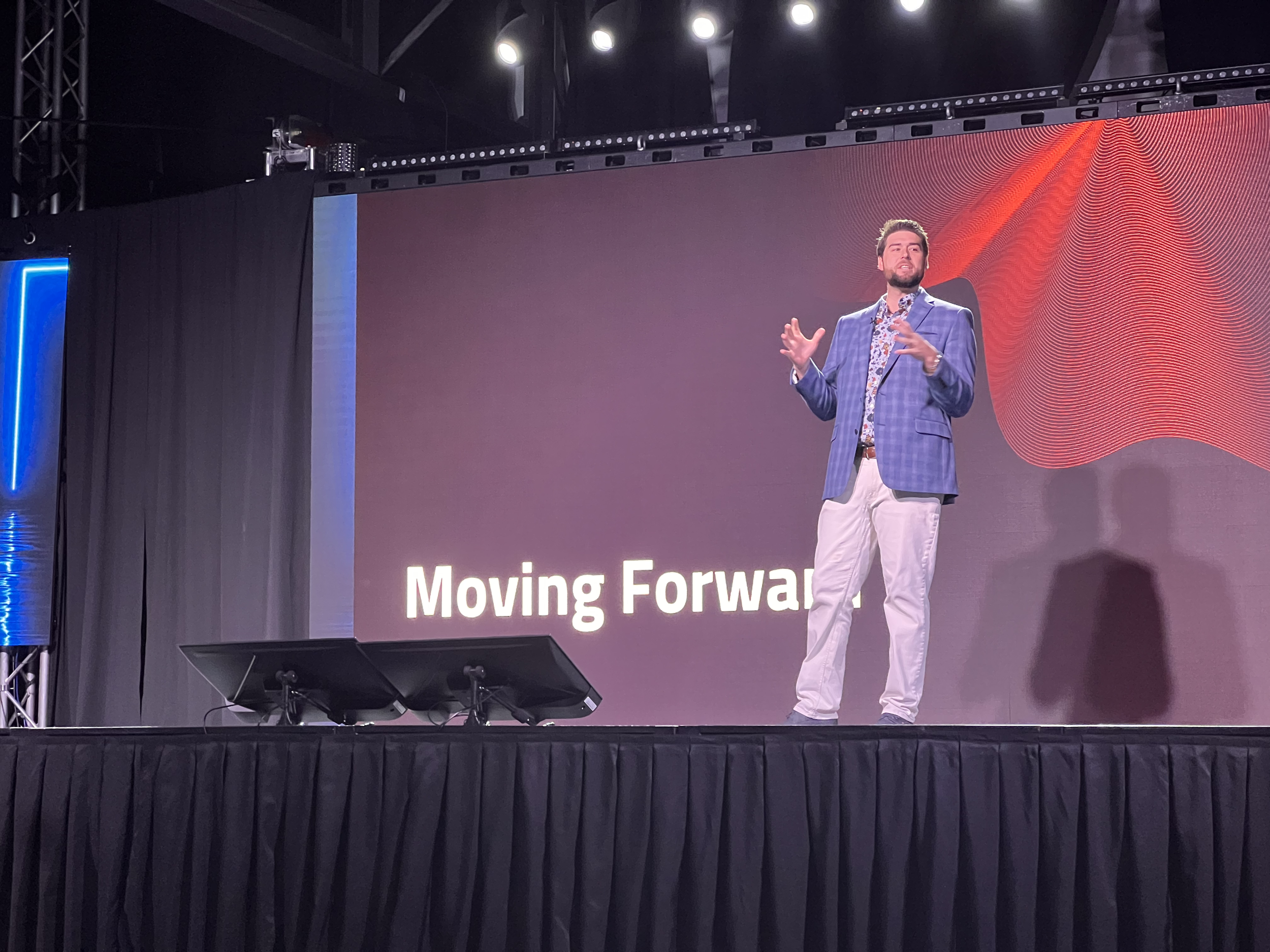
As a trauma therapist, speaker, and creator of the Identity Reconstruction Model™, I help people rebuild themselves after trauma, injury, burnout, loss, and life altering transitions. Because healing is not just about reducing symptoms. It is about rebuilding a life that feels meaningful to live. Over the years, I began noticing the same pattern everywhere. I saw it in trauma survivors, athletes after career ending injuries, high achievers who reached success but still felt empty inside, and people who spent their entire lives becoming who others needed them to be while quietly losing connection with themselves.
Many people do not just lose happiness after trauma. They lose themselves.
That is why my work focuses not only on healing trauma, but on rebuilding identity, self worth, purpose, and direction afterward. Because eventually every person reaches the same crossroads: “Now that everything has changed… who do I become next?”
Helping people answer that question has become my life’s work. Not because I studied it in a textbook, but because I lived it. I know what it feels like to sit in the wreckage of your life wondering if you will ever feel whole again. I also know that healing is possible. Not the kind where you erase what happened, but the kind where you rebuild something stronger, deeper, and more authentic than what existed before.
Because sometimes the most important thing we rebuild after trauma is not our body, career, or success.
It is our sense of self.